
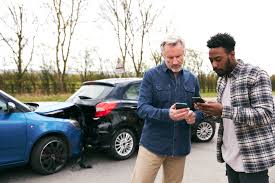
Being involved in a car accident is stressful enough. Adding a language barrier to the mix can quickly make the situation overwhelming. Communication breakdowns can hinder everything from reporting the incident to understanding your legal rights. This guide explains how to navigate these challenges and protect yourself.
- Understanding the Challenges: Language Barriers and Car Accidents
- Immediate Steps After an Accident: Communication in Emergency Situations
- Documenting the Scene and Information Exchange Despite Language Barriers
- Navigating Insurance Claims with Language Challenges
- Seeking Legal Assistance: Finding an Attorney Who Can Bridge the Communication Gap
- Legal Rights and Protections for Non-English Speakers After a Car Accident
- Preventing Future Issues: Resources and Strategies for Effective Communication
Understanding the Challenges: Language Barriers and Car Accidents
Language barriers after a car accident affect every aspect of the situation. Misunderstandings with first responders, difficulty exchanging information with the other driver, and confusion during insurance claims can all negatively impact the outcome. These hurdles can also lead to unfair settlements or even legal complications.
Consider the case of Garcia v. Vargas (hypothetical). Mr. Garcia, a Spanish speaker with limited English, was involved in a collision. Due to the language barrier, he unintentionally admitted partial fault to the responding officer, an admission that later complicated his insurance claim and legal proceedings. Such examples highlight the real-world consequences of communication breakdowns.
Immediate Steps After an Accident: Communication in Emergency Situations
After an accident, your priority is safety. If anyone is injured, call 911 immediately. Even if you struggle to speak English fluently, try to communicate the location and severity of the situation.
- Utilise translation apps: Smartphone translation apps like Google Translate or iTranslate can be lifesavers. Download them beforehand and familiarise yourself with their basic functions.
- Speak slowly and clearly: Even if the other person doesn’t understand you perfectly, speaking slowly and distinctly can improve comprehension.
- Use gestures: Pointing, acting out scenarios, and other non-verbal cues can help bridge the communication gap.
- Look for assistance: Ask if anyone nearby speaks both your language and English. A bystander can act as an interpreter.
Documenting the Scene and Information Exchange Despite Language Barriers
Exchanging information with the other driver is crucial, but it can be challenging when a language barrier is present.
- Focus on essential information: Obtain the other driver’s name, address, phone number, and insurance information.
- Take photos: Document the damage to all vehicles involved, the accident scene, and any visible injuries. Photos speak volumes, regardless of language.
- Use pre-translated phrases: Consider carrying a card or having a digital document with common phrases translated into English, such as “I need to call the police” or “Can I see your driver’s license and insurance card?”.
- Request written confirmation: If possible, ask the other driver to write down their information.
Navigating Insurance Claims with Language Challenges
Dealing with insurance companies can be daunting even without a language barrier. Insurance companies are legally obligated to handle claims reasonably, but linguistic challenges can lead to misunderstandings and potentially biased outcomes.
- Request a translator: Most major insurance companies offer translation services. Insist on communicating with a representative who speaks your language or through a qualified interpreter.
- Obtain written documentation in your language: Request all documents related to your claim, including policy details, claim forms, and settlement offers, in your native language.
- Be wary of pressure: Don’t feel pressured to sign anything you don’t fully understand. Seek clarification from an attorney or translator.
- Document all communication: Keep a record of all conversations, emails, and letters with the insurance company.
Data from the Insurance Research Council shows that claims involving language barriers often take longer to resolve and may result in lower settlements due to communication difficulties.
Seeking Legal Assistance: Finding an Attorney Who Can Bridge the Communication Gap
If you’re struggling to communicate effectively or feel that your claim is being unfairly handled, seek legal assistance.
- Find an attorney who speaks your language: Many attorneys specialise in representing clients who speak languages other than English.
- Ask about interpreter services: If you can’t find an attorney who speaks your language, ask if they provide interpreter services.
- Inquire about cultural sensitivity: Choose an attorney who understands the cultural nuances that may influence your case.
- Check credentials: Ensure the attorney is licensed and in good standing with the state bar association.
Resources like the American Association for Justice (AAJ) and local bar associations can help you find qualified attorneys in your area.
Legal Rights and Protections for Non-English Speakers After a Car Accident
Non-English speakers have the same legal rights as English speakers. Several laws protect individuals from discrimination based on language.
- Right to an interpreter: In legal proceedings, you have the right to a qualified interpreter.
- Right to translated documents: Certain legal documents must be provided in your native language.
- Protection from coercion: You cannot be forced to sign anything you don’t understand.
Preventing Future Issues: Resources and Strategies for Effective Communication
Taking proactive steps can help minimise communication problems in the future.
- Enrol in English classes: Improving your English proficiency can empower you in various situations.
- Carry a translation card: Keep a card with essential phrases and emergency contact information translated into English.
- Utilise online resources: Numerous websites and apps offer translation tools and language learning resources.
- Build a support network: Connect with friends, family, or community organisations who can provide translation assistance when needed.
Addressing language barriers after a car accident requires understanding, preparation, and access to resources. By taking proactive steps and knowing your rights, you can protect yourself and ensure a fair outcome.