
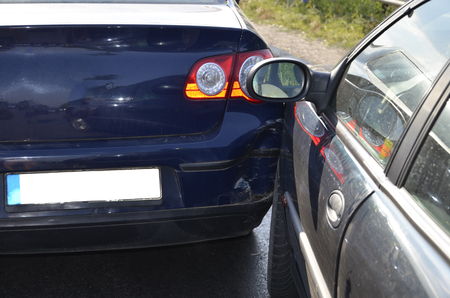
Discovering you’ve just hit a parked car can be a heart-stopping moment. It’s a situation many drivers face, often in crowded car parks or tight city streets. While it might seem minor, the consequences of such an incident can range from a simple exchange of details to complex legal and financial issues. The key is how you react in the immediate aftermath.
- Reporting Requirements and Legal Obligations
- UK Law: Understanding the Road Traffic Act and Hit-and-Run Offences
- Leaving a Note: Best Practices and Essential Information to Include
- Police Report: When and Why You Should Contact the Authorities
- Insurance Implications: Navigating Claims and Potential Rate Hikes
- Comprehensive vs. Third-Party: Understanding Your Coverage
- Making a Claim: The Process, Documentation, and Potential Excess
- Impact on Your Premium: Assessing the Risk and Minimising the Increase
- Comparative Negligence: Understanding Liability in Parking Accidents
- Dealing with Uncooperative or Uninsured Drivers: Protecting Your Interests
- Long-Term Consequences: Potential Lawsuits, DMV Points, and Future Insurability
When you hit a parked car, acting responsibly is paramount. By following the correct procedures, from reporting the incident to your insurance company to leaving a detailed note, you can minimise the potential legal and financial repercussions. Honesty and transparency are crucial for a smooth resolution.
Reporting Requirements and Legal Obligations
UK Law: Understanding the Road Traffic Act and Hit-and-Run Offences
In the UK, the Road Traffic Act outlines your responsibilities after any accident, including when you hit a parked car. Failing to report an accident where property damage occurs can lead to serious charges, including those related to “hit-and-run” offences. These offences can result in hefty fines, points on your licence, and even disqualification from driving. It’s crucial to understand that leaving the scene without leaving your details is a criminal offence.
Leaving a Note: Best Practices and Essential Information to Include
If you can’t locate the owner of the vehicle, leaving a note is essential. This note should include:
* Your full name
* Your address
* Your phone number
* A brief description of the incident, including the date and time
* Your vehicle registration number (number plate)
* Your insurance details (company name and policy number)
Make sure the note is clearly visible and securely attached to the damaged vehicle. Taking a photo of the note in place can also be helpful as evidence that you fulfilled your obligation.
Police Report: When and Why You Should Contact the Authorities
You must report the accident to the police if you cannot leave your details for the owner to find, or if there is significant property damage, or if anyone is injured. Reporting is mandatory within 24 hours. Even if you leave a note, you might consider contacting the police, particularly if you suspect the damage is extensive or if there’s any doubt about the other driver’s insurance status. The police will create a formal record of the incident, which can be invaluable when dealing with insurance claims or potential legal disputes.
Insurance Implications: Navigating Claims and Potential Rate Hikes
Comprehensive vs. Third-Party: Understanding Your Coverage
Your car insurance policy plays a significant role in how a “hit parked car” incident is handled. Comprehensive insurance typically covers damage to both your vehicle and the other vehicle, regardless of who is at fault. Third-party insurance, on the other hand, only covers damage to the other vehicle; you’ll have to pay for repairs to your own car. Understanding the specifics of your policy is crucial.
Making a Claim: The Process, Documentation, and Potential Excess
To make an insurance claim, you’ll need to contact your insurance company as soon as possible. They’ll guide you through the process, which typically involves:
* Providing details of the accident, including the date, time, and location.
* Supplying the other driver’s details (if available).
* Submitting photos of the damage to both vehicles.
* Completing a claim form.
* Potentially obtaining repair estimates.
Be aware of your policy’s excess, which is the amount you’ll have to pay towards the repairs.
Impact on Your Premium: Assessing the Risk and Minimising the Increase
Making an insurance claim can potentially increase your premium upon renewal. Insurance companies assess risk based on claims history. However, the extent of the increase will depend on several factors, including:
* The severity of the damage.
* Whether you were at fault.
* Your no-claims bonus.
* Your insurance company’s policies.
You can minimise the impact by maintaining a clean driving record and considering increasing your excess to lower your premium.
Comparative Negligence: Understanding Liability in Parking Accidents
In some cases, liability for a “hit parked car” incident isn’t always clear-cut. Comparative negligence comes into play when both parties share some responsibility for the accident. For example, if the parked car was illegally parked or poorly positioned, the owner might bear some of the blame.
To establish negligence, you’ll need to gather evidence. This might include:
* Photos of the accident scene.
* Witness statements.
* Police reports.
* Expert testimony (if needed).
If liability is disputed, seeking legal advice from a solicitor specialising in road traffic accidents is advisable. They can assess the evidence and advise you on the best course of action.
Dealing with Uncooperative or Uninsured Drivers: Protecting Your Interests
If the other driver is uncooperative or refuses to provide their details, you can try to trace them through the police or the Motor Insurers’ Bureau (MIB). The MIB can assist in cases involving uninsured drivers.
Some insurance policies offer uninsured motorist coverage, which can help cover the costs of repairing your vehicle if the other driver is uninsured. Check your policy details to see if you have this coverage.
Long-Term Consequences: Potential Lawsuits, DMV Points, and Future Insurability
Understanding the Risks and Preparing for Potential Litigation
If the damage is significant or liability is disputed, the other party might pursue legal action. Be prepared to provide evidence and defend your position in court. Legal representation is essential in such cases.
Driving Record: The Impact of Points and Future Insurance Implications
Depending on the circumstances of the accident, you might receive points on your driving licence. Points can significantly impact your future insurance premiums and could even lead to a driving ban if you accumulate too many.
Recap of Key Steps: Reporting, Insurance, and Legal Considerations
To recap, if you hit a parked car, remember these key steps:
* Leave a detailed note with your contact and insurance information.
* Report the incident to the police if necessary.
* Contact your insurance company to file a claim.
* Gather evidence to support your case.
* Seek legal advice if liability is disputed.
Prioritising honesty and responsible behaviour is always the best approach. By acting promptly and transparently, you can minimise the stress and potential consequences of hitting a parked car and ensure a fair resolution for all parties involved.
FAQs:
What happens if I don’t leave a note after hitting a parked car?
Failing to leave a note after hitting a parked car can lead to serious legal consequences. In the UK, it’s considered a hit-and-run offence under the Road Traffic Act. This can result in fines, points on your licence, and even disqualification from driving. It’s always best to leave your details, even if the damage seems minor.
Will my insurance premiums definitely increase if I make a claim after hitting a parked car?
Not necessarily, but it’s a strong possibility. The insurance company will assess the circumstances of the accident, including who was at fault, the extent of the damage, and your claims history. If you’re deemed at fault, or if the damage is significant, your premiums are likely to increase at your next renewal. However, if the accident wasn’t your fault and you have a good driving record, the impact might be minimal.
What should I do if the owner of the parked car is demanding an unreasonable amount of money for the damage?
If the owner of the parked car is demanding an unreasonable amount, don’t feel pressured to pay it. Instead, inform your insurance company and let them handle the negotiations. They have experience in assessing damage and determining fair compensation. If necessary, they can also arrange for an independent assessment of the damage.
Can I be held liable if the parked car I hit was illegally parked?
While the fact that the parked car was illegally parked might influence the situation, it doesn’t automatically absolve you of all responsibility. Comparative negligence principles would apply. The court would consider whether the illegally parked car contributed to the accident and apportion liability accordingly. You could still be held partially responsible, especially if you were driving negligently.
If you’ve been involved in an incident where you hit a parked car, it’s essential to act quickly and responsibly. Don’t hesitate to contact your insurance company and, if necessary, seek legal advice to protect your interests and navigate the complexities of the situation. Taking the right steps now can save you time, money, and stress in the long run.