
Key Takeaways
- Settlement values for pedestrian accidents in California range from tens of thousands to multi-million dollar verdicts based on unique case facts.
- California applies a pure comparative negligence rule, meaning pedestrians can recover damages even if they share fault for the collision.
- Insurance policy limits, such as California’s minimum fifteen thousand dollars per person liability requirement, heavily dictate the maximum recoverable amount.
- Victims typically have a two-year window to file a lawsuit against private drivers, but only six months to file an administrative claim against government entities.
What is the Reality of Pedestrian Accident Settlements in California?
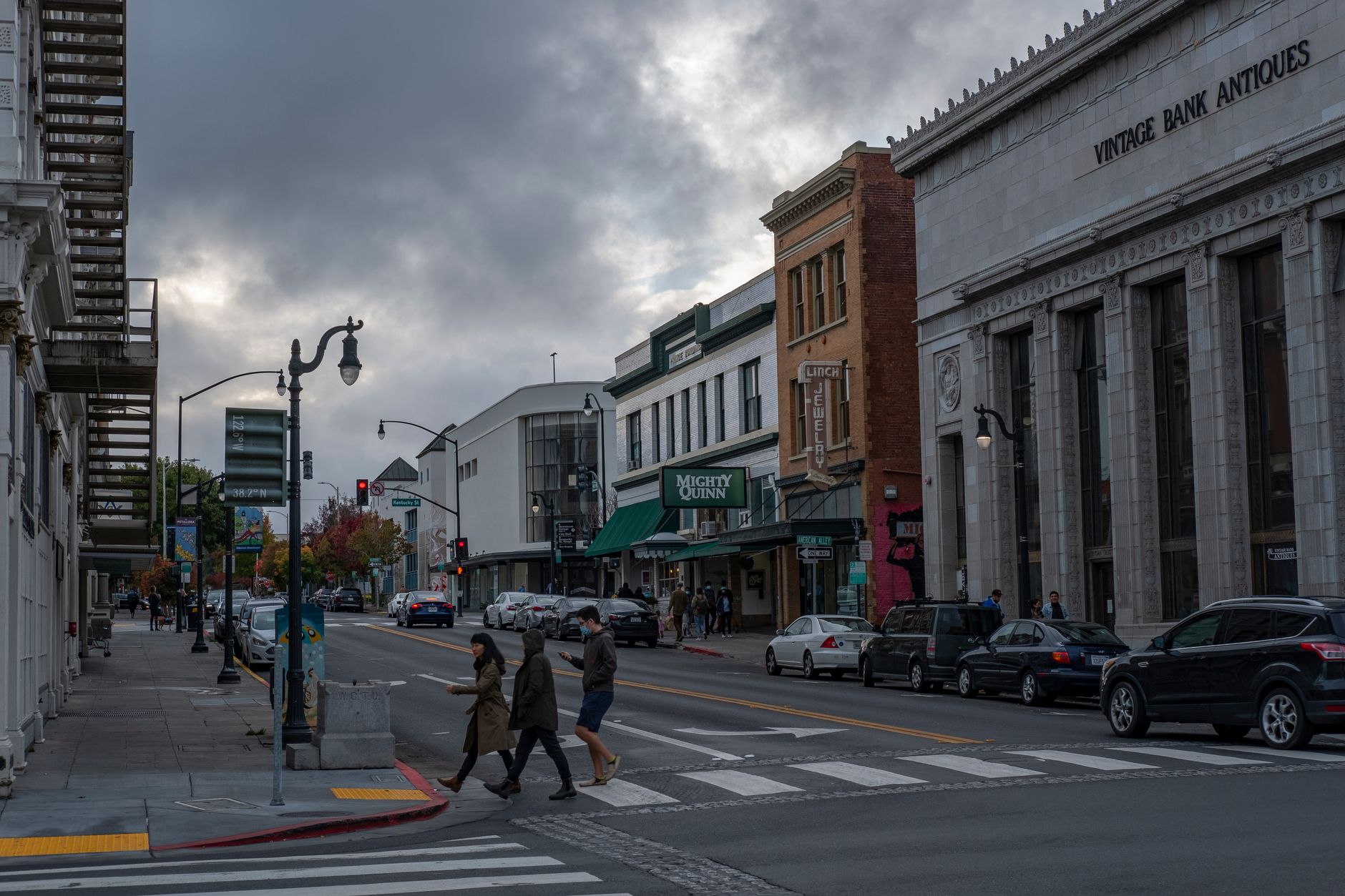
California features some of the busiest roadways and intersections in the country, leading to a significant number of traffic collisions involving individuals on foot. According to data from the Governors Highway Safety Association, California consistently records over one thousand pedestrian fatalities annually, making it one of the most dangerous states for foot traffic. When a pedestrian is struck by a motor vehicle, the physical, emotional, and financial consequences are often devastating. For legal practitioners advising clients, or for victims seeking to understand their legal rights, determining the potential pedestrian hit by car settlement amount in California is a primary concern. However, because every collision involves a unique set of circumstances, there is no universal calculator or fixed average settlement amount. Claims can range from tens of thousands of dollars to multi-million dollar verdicts, depending entirely on the specific facts of the case.
- Key Takeaways
- What is the Reality of Pedestrian Accident Settlements in California?
- Which Key Factors Influence the Settlement Amount?
- How Does California Pure Comparative Negligence Impact Settlements?
- What Role Do Insurance Policy Limits Play in Settlements?
- How Do You Navigate Hit-and-Run and Uninsured Motorist Claims?
- What Are the Statutes of Limitations for Taking Legal Action?
- FAQs
- What is the average settlement for a pedestrian hit by a car in California?
- How does jaywalking affect a pedestrian accident claim in California?
- How long does it take to settle a pedestrian accident case?
- What if the driver who hit the pedestrian fled the scene?
- What is the statute of limitations for pedestrian accidents in California?
- Sources
Pedestrians lack the structural protection of a vehicle, meaning that even low-speed impacts can result in catastrophic injuries. According to data published by the National Highway Traffic Safety Administration, pedestrian fatalities and injuries remain a critical public safety issue, with pedestrians accounting for roughly seventeen percent of all traffic fatalities nationwide. When these tragic events occur, the legal system provides a mechanism for victims to seek financial compensation to cover their losses and help them rebuild their lives.
Which Key Factors Influence the Settlement Amount?
To accurately evaluate a pedestrian accident claim, attorneys and insurance adjusters look at several core components. The settlement amount is essentially a calculation of the victim’s total damages, weighed against liability and available insurance coverage. These damages are generally categorized into economic and non-economic losses.
How Are Economic Damages Calculated?
Economic damages represent the objective, out-of-pocket financial burdens placed on the victim as a direct result of the collision. The most immediate and often largest component of economic damages is medical expenses. This includes the cost of emergency room visits, ambulance transport, surgical interventions, hospitalization, prescription medications, and physical therapy. In cases involving severe trauma, such as spinal cord damage or traumatic brain injuries, victims may require lifelong medical care. A comprehensive life care plan is often developed by medical and vocational experts to project these future medical costs, ensuring the settlement amount adequately covers the victim’s long-term needs.
Another major component of economic damages is lost wages and loss of earning capacity. If a pedestrian is hospitalized and unable to work for several months, they are entitled to compensation for the income they lost during that recovery period. Furthermore, if the injuries leave the victim with a permanent disability that prevents them from returning to their previous profession, the settlement must account for the difference in their future earning potential. Documenting these losses requires meticulous record-keeping, employment files, and sometimes the testimony of forensic economists.
How Are Non-Economic Damages Valued?
While economic damages are relatively straightforward to calculate based on bills and receipts, non-economic damages are much more subjective. These damages compensate the victim for the physical pain, emotional distress, mental anguish, and loss of enjoyment of life caused by the accident. Being struck by a car is a highly traumatic event that can lead to post-traumatic stress, anxiety, depression, and a diminished quality of life.
Insurance companies often use multiplier methods to estimate non-economic damages, multiplying the total economic damages by a specific number based on the severity of the injuries. However, skilled personal injury lawyers understand that no simple formula can capture the true human cost of a severe injury. Building a compelling narrative that illustrates exactly how the injuries have altered the victim’s daily life is crucial for maximizing this portion of the settlement.
How Does California Pure Comparative Negligence Impact Settlements?
One of the most critical legal concepts in California personal injury law is pure comparative negligence. This doctrine significantly influences the final settlement amount in pedestrian accidents. Under this rule, a victim can still recover financial compensation even if they were partially at fault for the accident, but their total financial award will be reduced by their percentage of fault.
For example, if a court or insurance adjuster determines that a pedestrian’s total damages equal one hundred thousand dollars, but the pedestrian is found to be twenty percent at fault because they were crossing outside of a marked crosswalk, the final settlement would be reduced to eighty thousand dollars. Insurance defense teams frequently attempt to shift blame onto the pedestrian to minimize their financial payout. They may argue that the pedestrian was distracted by a mobile phone, was wearing dark clothing at night, or suddenly darted into traffic.
Despite these tactics, drivers in California owe a high duty of care to pedestrians. Under California Vehicle Code Section 21950, drivers must yield the right-of-way to pedestrians crossing the roadway within any marked crosswalk or within any unmarked crosswalk at an intersection. Even if a pedestrian is not in a crosswalk, drivers are still legally required to exercise due care to avoid striking them. Overcoming allegations of comparative fault requires a thorough investigation, including analyzing police reports, interviewing eyewitnesses, and potentially utilizing accident reconstruction experts.
What Role Do Insurance Policy Limits Play in Settlements?
Perhaps the most practical constraint on a pedestrian hit by car settlement amount in California is the at-fault driver’s insurance policy limit. Regardless of how severe the victim’s injuries are, or how clear the driver’s liability is, it can be extremely difficult to recover money beyond the limits of the driver’s insurance policy.
California law requires drivers to carry minimum bodily injury liability insurance of fifteen thousand dollars per person and thirty thousand dollars per accident. In the context of a pedestrian accident, where emergency medical flights and initial surgeries can easily exceed one hundred thousand dollars in the first few days, these minimum limits are drastically insufficient. If the at-fault driver only carries a minimum policy and has no significant personal assets, the victim’s recovery from that driver may be capped at fifteen thousand dollars.
How Do You Navigate Hit-and-Run and Uninsured Motorist Claims?
Pedestrian accidents often involve hit-and-run drivers or drivers who are completely uninsured. The Centers for Disease Control and Prevention highlights that pedestrian crashes are a major public health issue, noting that one in six crash deaths in recent years involved a pedestrian. When a driver flees the scene, the legal path to compensation becomes more complex.
If the police are unable to identify and locate the hit-and-run driver, or if the identified driver has no insurance, the pedestrian must look to their own auto insurance policy for compensation. Uninsured Motorist and Underinsured Motorist coverage can step in to cover the victim’s medical bills, lost wages, and pain and suffering, up to the limits of their own policy. Even though the pedestrian was not driving a car at the time of the accident, their auto insurance policy generally covers them as a pedestrian struck by a motor vehicle. Pursuing an uninsured motorist claim involves negotiating with the victim’s own insurance company, which still requires robust legal advocacy as the insurer will still attempt to minimize the claim value.
What Are the Statutes of Limitations for Taking Legal Action?
Time is a critical factor in pursuing a settlement. According to the California Courts statute of limitations rules, an adult victim generally has two years from the date of the accident to file a personal injury lawsuit. If the accident involved a government vehicle, such as a city bus or a municipal utility truck, the timeframe to file an initial administrative claim is drastically reduced to just six months. Failing to adhere to these strict deadlines will almost certainly result in the victim losing their right to seek any financial settlement.
Securing a fair settlement requires patience, extensive documentation, and skilled negotiation. While many cases settle out of court during the pre-litigation phase, reaching a satisfactory agreement often requires filing a formal lawsuit and proceeding through the discovery process. By methodically building a case that clearly establishes liability, thoroughly documents all economic and non-economic damages, and navigates the complexities of California insurance and fault laws, legal professionals can help pedestrian accident victims achieve the financial justice they deserve.
FAQs
What is the average settlement for a pedestrian hit by a car in California?
There is no true average settlement amount because every case is unique. Minor injuries might settle for ten thousand to thirty thousand dollars, while catastrophic injuries involving permanent disability can result in settlements or verdicts exceeding one million dollars. The final amount depends heavily on medical bills, lost wages, and available insurance coverage.
How does jaywalking affect a pedestrian accident claim in California?
Because California follows a pure comparative negligence system, a pedestrian who was jaywalking can still pursue a settlement. However, their financial recovery will be reduced by their assigned percentage of fault for the accident. For instance, if the pedestrian is found to be thirty percent responsible, their final settlement will be reduced by thirty percent.
How long does it take to settle a pedestrian accident case?
The timeline varies significantly. A straightforward claim with minor injuries and clear liability might settle in a few months. Cases involving severe injuries, disputed liability, or those that require filing a lawsuit and going to trial can take anywhere from one to three years to fully resolve.
What if the driver who hit the pedestrian fled the scene?
If the at-fault driver cannot be identified in a hit-and-run, the injured pedestrian can file a claim against their own Uninsured Motorist coverage, provided they carry auto insurance. If the pedestrian does not have auto insurance, they may need to rely on health insurance or state victim compensation funds to cover medical expenses.
What is the statute of limitations for pedestrian accidents in California?
In California, an injured pedestrian generally has two years from the exact date of the accident to file a personal injury lawsuit against a private citizen or company. If the at-fault party is a government entity, a special administrative claim must be filed within six months of the accident date.
Sources
- National Highway Traffic Safety Administration – Pedestrian Safety
- California Legislative Information – Vehicle Code Section 21950
- Centers for Disease Control and Prevention – Pedestrian Safety
- California Courts – Statute of Limitations
- Governors Highway Safety Association – Pedestrian Traffic Fatalities