
Last updated: July 2026
The PFAS firefighting foam lawsuit covers firefighters, military service members, airport workers, and others exposed to AFFF foam who later developed kidney cancer, testicular cancer, thyroid disease, or ulcerative colitis. No global personal injury settlement has been finalized as of July 2026 [VERIFY], and attorney projections for individual payouts commonly range from about $40,000 to $300,000 or more.
If you sprayed this foam during training or emergencies, or lived near a base where it soaked into the water, this guide explains who qualifies, what the science says, and what the money side actually looks like right now.
What Is the PFAS Firefighting Foam Lawsuit?
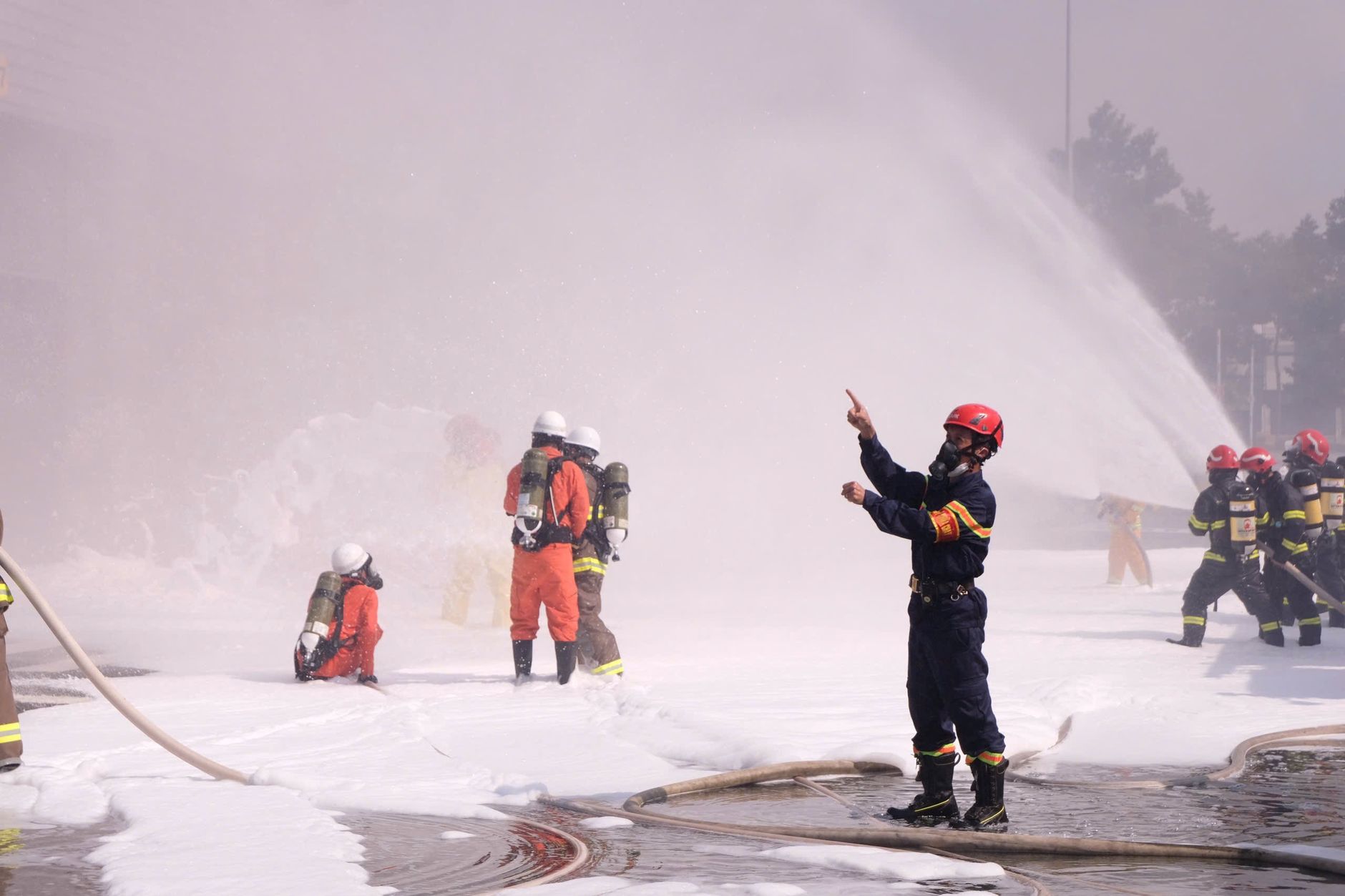
Aqueous film-forming foam (AFFF) has been used since the 1960s to smother fuel fires at military bases, airports, refineries, and fire training grounds. It works well. The problem is what it contains: PFAS, a family of man-made chemicals often called forever chemicals because they do not break down in the body or the environment.
Thousands of injured people have sued the companies that made and sold the foam, including 3M, DuPont and its spinoffs, and Tyco Fire Products. Nearly all federal cases are consolidated in multidistrict litigation known as MDL 2873, In re: Aqueous Film-Forming Foams Products Liability Litigation, in the U.S. District Court for the District of South Carolina before Judge Richard Gergel. The MDL was created in December 2018 and has grown into one of the largest mass torts in the country, with thousands of personal injury claims still pending [VERIFY current case count].
The litigation has two main tracks. Water utilities that had to clean PFAS out of public drinking water have already reached large settlements. Personal injury claims (the cancer and illness cases) are the active track now.
Who Qualifies for an AFFF Lawsuit in 2026?
Eligibility comes down to two things: real exposure to AFFF and a qualifying diagnosis. Most law firms are accepting clients who fit one of these exposure profiles:
- Military firefighters and service members who handled AFFF or trained with it on bases, ships, or flight lines
- Civilian and airport firefighters, since the FAA long required AFFF at commercial airports
- Industrial workers at refineries, chemical plants, and fuel storage facilities that stocked the foam
- Flight crew, hangar, and base personnel who worked around regular foam discharges
- People who drank contaminated water near military installations or airports, in some firm-specific cases [VERIFY intake criteria, as many firms limit water-only claims]
On the medical side, the strongest cases involve a diagnosis of kidney cancer, testicular cancer, thyroid disease (including hypothyroidism), thyroid cancer, or ulcerative colitis. Some firms also review liver cancer and other conditions on a case-by-case basis.
You do not need to know which brand of foam you touched. Exposure is usually proven through service records, employment history, union records, or station logs.
Which Illnesses Are Linked to AFFF Exposure?
Not every condition carries the same weight in court. In 2023, the International Agency for Research on Cancer classified PFOA (a key PFAS in legacy foam) as carcinogenic to humans and PFOS as possibly carcinogenic. Here is how the major diagnoses generally stack up in the litigation:
| Condition | Strength of scientific link | Role in the litigation |
|---|---|---|
| Kidney cancer | Strong | Lead bellwether injury, top-tier claims |
| Testicular cancer | Strong | Top-tier claims |
| Ulcerative colitis | Moderate to strong | Accepted by many firms |
| Thyroid disease and hypothyroidism | Moderate | Accepted by many firms |
| Thyroid cancer | Moderate | Accepted by some firms |
| Liver cancer | Emerging | Case-by-case review |
| Prostate and bladder cancer | Weaker or under study | Rarely accepted alone [VERIFY] |
A stronger scientific link usually means a stronger claim and, in most settlement models, a higher payout tier.
How Much Money Can You Get From an AFFF Settlement?
Here is the honest answer: no court-approved global settlement for personal injury claims existed as of this update [VERIFY status, as negotiations have been widely reported]. The figures you see online are attorney projections based on the science, the water settlements, and comparable mass torts. Treat them as educated estimates, not promises.
| Projected claim tier | Typical profile | Estimated range (not guaranteed) |
|---|---|---|
| Top tier | Kidney or testicular cancer with heavy, documented AFFF exposure | $200,000-$500,000 [VERIFY] |
| Middle tier | Qualifying cancer or ulcerative colitis with solid exposure proof | $75,000-$250,000 [VERIFY] |
| Lower tier | Thyroid disease or weaker exposure documentation | $40,000-$75,000 [VERIFY] |
Real numbers will depend on your diagnosis, age, treatment history, length and intensity of exposure, and lost income. Wrongful death claims filed by families are valued separately and often higher.
What Has Already Been Settled?
The manufacturers have paid billions, but so far the confirmed money went to water systems, not individuals. These settlements still matter to injury claimants because they show the defendants can pay and prefer settling to trial.
| Defendant | Amount | Year announced | Who it pays |
|---|---|---|---|
| 3M | Up to $10.3 billion over 13 years | 2023 | Public water suppliers |
| DuPont, Chemours, Corteva | $1.185 billion | 2023 | Public water suppliers |
| Tyco Fire Products | $750 million | 2024 | Public water suppliers |
| BASF | $316.5 million | 2024 | Public water suppliers |
On the personal injury side, the court selected kidney cancer cases as the first bellwether trials, with the initial trial set for late 2025. Bellwether outcomes and any resulting settlement framework are the key things to watch this year [VERIFY latest bellwether and negotiation status].
How Do You File a Claim?
The process is straightforward, and reputable firms handle these cases on contingency, meaning you pay nothing unless you recover money.
- Gather medical records. Your diagnosis, pathology reports, and treatment history anchor the claim.
- Document your exposure. Useful proof includes a DD-214 or service records, employment records, union membership, training logs, or fire department rosters.
- Talk to a mass tort attorney. Free case reviews are standard. Ask how many AFFF cases the firm handles and who will actually work your file.
- File before your deadline. Statutes of limitations vary by state, often 2-3 years. Most states start the clock at diagnosis or when you reasonably linked your illness to PFAS, but do not gamble on that.
Veterans can pursue a lawsuit and VA benefits at the same time. The lawsuit targets foam manufacturers, not the government, so filing does not put disability compensation or PACT Act health care at risk.
The Bottom Line
The PFAS firefighting foam lawsuit is at a turning point in 2026. The water contamination cases produced more than $12 billion in settlements, bellwether trials are shaping the value of injury claims, and firms are still signing clients with qualifying diagnoses. If you were exposed to AFFF and later got sick, get your records together and speak with a lawyer now, because state deadlines will not wait for a global settlement.
Frequently Asked Questions
Is it too late to file a PFAS firefighting foam lawsuit?
For most people, no. New cases were still being accepted into the AFFF litigation as of July 2026. Your personal deadline depends on your state’s statute of limitations, usually 2-3 years from diagnosis or from when you connected your illness to PFAS. Because those windows close quietly, get a free case review as soon as possible.
What is the average AFFF settlement per person?
There is no verified average yet, because no global personal injury settlement had been finalized as of this update. Attorney projections generally fall between $40,000 and $300,000, with the strongest kidney and testicular cancer claims projected higher. Any specific number you see advertised is an estimate, not a guaranteed outcome.
Do I need to prove which brand of foam I used?
No. The litigation names essentially every major AFFF manufacturer, so you do not have to trace exposure to one company’s product. What you need is proof you worked with or around the foam, such as military service records, fire department employment records, or training documentation, plus medical records confirming a qualifying diagnosis.
Can veterans sue and keep their VA benefits?
Yes. The AFFF lawsuits are filed against chemical and foam manufacturers, not the U.S. government, so a settlement does not reduce VA disability compensation. Veterans can also pursue PACT Act health care and benefits at the same time. Many law firms specifically help veterans coordinate both paths without jeopardizing either one.
How long will an AFFF case take to pay out?
Expect years rather than months. Even after a global settlement structure is announced, claims must be registered, reviewed, and tiered before checks go out, which took 1-2 years in comparable mass torts. Signing up early matters, because late filers can face reduced funds or missed registration deadlines.
This article is general information, not legal or medical advice. Laws, deadlines, and settlement terms change, and every case is different. Talk to a licensed attorney in your state about your specific situation.