Oops! We’ve all had that heart-stopping moment – a sudden slip, a desperate grab for balance, and then… thud. A slip and fall might seem like a clumsy mishap, but sometimes, it’s more than that. Sometimes, it’s the result of someone else’s carelessness, which means you could be entitled to compensation.
But how do you know if your tumble was genuinely someone else’s fault? Let’s break down the key signs that point to negligence and whether you should explore claiming for your injuries.
Understanding Slip and Fall Accidents and Negligence
A “slip and fall” accident sounds simple, but legally, it covers any injury caused by slipping, tripping, or falling on someone else’s property. “Negligence” is the crucial element here. In legal terms, it means someone failed to take reasonable care, resulting in your injury. Property owners have a duty to maintain a safe environment for visitors. When they breach this duty, and you get hurt, that’s where a slip-and-fall claim comes in.
Did Someone Else’s Negligence Cause Your Slip and Fall?
The big question: Was your fall really an accident, or was it caused by something the property owner should have prevented? Think about this: Did they know about the hazard that caused your fall? Could they have known about it? Did they have a reasonable amount of time to fix it?
This isn’t about bad luck; it’s about whether someone acted (or failed to act) responsibly.
Hazardous Conditions: Key Signs of Negligence in a Slip and Fall
Here are 10 red flags that suggest someone else was to blame for your accident:
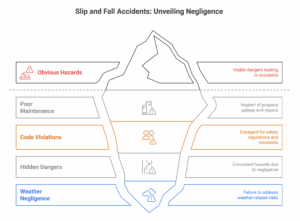
- Wet Floors Without Warning: No “Caution: Wet Floor” sign after recent mopping, spills left unattended in a supermarket aisle, or leaks ignored in a shop are clear indicators of negligence. Remember that leaking is even a breach of environmental health regulations if it’s not cleaned promptly!
- Poor Lighting: Dark stairwells, dimly lit car parks, or inadequately lit walkways make it difficult to see potential hazards. This is especially dangerous for elderly people who have impaired eyesight.
- Uneven Surfaces: Cracked pavements, broken tiles, or ripped carpets can easily cause a trip. If the property owner knew about these issues and didn’t repair them, they could be held liable.
- Spilt Liquids or Debris: Imagine walking through a restaurant and slipping on spilt food that’s been there for ages. This is a clear example of negligence.
- Lack of Handrails: Staircases and ramps without handrails can be extremely dangerous, particularly for people with mobility issues. The UK building regulations document ‘M’ (Access to and use of buildings) details where handrails are required.
- Weather-Related Hazards: Failure to clear ice or snow from walkways and entrances, especially when severe weather is forecast, demonstrates a lack of reasonable care.
- Hidden Hazards: Holes in the ground covered by vegetation, unmarked changes in floor level, or other concealed dangers are a sign the property isn’t properly maintained.
- Inadequate Maintenance: General disrepair, like crumbling steps or loose paving stones, points to a neglectful property owner.
- Code Violations: Were there obvious code violations like exposed wiring or faulty electrical outlets? That could open the property owner up to liability.
- Obstructions: Were there items obstructing your path that you tripped over? This could include boxes, construction equipment, or even just stray furniture placed haphazardly.
Proving Negligence: Evidence to Support Your Slip and Fall Claim
Proving negligence isn’t always easy, but gathering evidence is key. This includes:
- Photographs: Take pictures of the hazard that caused your fall, the surrounding area, and your injuries. Date-stamp them to prove the evidence is current.
- Witness Statements: If anyone saw you fall, get their contact information and ask them to write down what they witnessed.
- Incident Reports: If the fall happened in a shop or business, ask them to file an incident report. This creates an official record of the event.
- Medical Records: These documents are essential to showing the extent of your injuries and how they resulted from the fall.
- Clothing: It is important to keep the clothing and shoes you wore at the time of the accident.
Documenting Your Injuries and Losses After a Slip and Fall
After a fall, it’s vital to document everything. Keep detailed records of:
- Medical Treatment: Dates of appointments, diagnoses, treatment plans, and medication.
- Pain Levels: Keep a daily journal noting your pain levels, limitations, and how your injuries affect your daily life.
- Lost Income: If you’ve had to take time off work, document your lost wages, benefits, and potential career impact.
- Out-of-Pocket Expenses: Keep receipts for anything you’ve had to pay for as a result of your injuries, like transportation to medical appointments, over-the-counter medication, or mobility aids.
Seeking Medical Attention and Legal Advice After a Slip and Fall
Your health is paramount. See a doctor even if you think your injuries are minor. Some injuries, like whiplash, may not show symptoms immediately. Also, a medical evaluation creates an official record of your injuries, which is essential for your claim.
Talk to a solicitor specialising in personal injury claims. They can assess your case, advise you on your legal options, and help you navigate the claims process. Many offer free initial consultations.
Knowing Your Rights: When You Deserve Compensation for a Slip and Fall Due to Negligence
You might be entitled to compensation if:
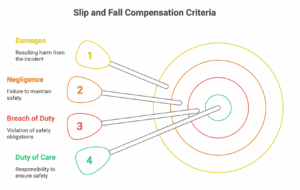
- The property owner owed you a duty of care.
- They breached that duty by failing to maintain a safe environment.
- Their negligence directly caused your injuries.
- You suffered damages (medical expenses, lost income, pain and suffering).
Compensation can cover medical bills, lost wages, rehabilitation costs, and pain and suffering. A successful claim can help you get back on your feet – literally and financially.
Statute of Limitations: Be aware of the time limit for filing a claim. In the UK, you generally have three years from the accident date to make a claim. However, this can vary depending on the specific circumstances, so seeking legal advice is vital.
Slip and fall accidents can be traumatic, but knowing your rights and understanding the signs of negligence can help you determine if you deserve compensation. Don’t suffer in silence. Take action to protect your health and your financial future.