Parking lots, often overlooked, can be surprisingly hazardous places. Understanding the risks and legal responsibilities surrounding parking lot injuries is crucial for both property owners and individuals in Canada. This article examines liability, insurance coverage, and preventive measures to promote safer parking lot environments across the country.
The Hidden Dangers of Parking Lots: A Canadian Perspective
Property owners have a responsibility to maintain reasonably safe conditions on their premises, including parking lots. When negligence leads to injury, they can and should be held accountable. This accountability encourages proactive safety measures and ensures that victims of parking lot accidents receive appropriate compensation.
Parking lots present a unique set of hazards. The combination of pedestrian traffic, vehicular movement, and environmental factors like weather contribute to a higher risk of accidents than many people realise. Common causes of parking lot injuries include:
* Slip and fall accidents due to ice, snow, or spills.
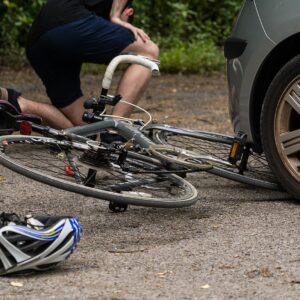
* Vehicle collisions, often involving backing vehicles or distracted drivers.
* Trip hazards such as potholes, uneven surfaces, or inadequate lighting.
* Pedestrians being struck by vehicles.
These dangers are amplified during the winter months, making proactive snow removal and ice control essential.
Understanding Occupiers’ Liability and Negligence in Canadian Parking Lots
Occupiers’ liability laws across Canada dictate the duty of care owed by property owners (occupiers) to visitors. Generally, occupiers must take reasonable steps to ensure the safety of people on their property. Negligence occurs when an occupier fails to meet this standard of care, and that failure directly results in injury.
For example, Ontario’s Occupiers’ Liability Act sets out the legal framework for these responsibilities. While the specifics of occupiers’ liability laws can vary across provinces and territories, the underlying principle remains the same: property owners must act reasonably to prevent foreseeable harm. Successful lawsuits relating to parking lot injuries often hinge on proving that the property owner knew, or should have known, about a hazardous condition and failed to take adequate steps to address it. Proving negligence often involves demonstrating a lack of reasonable care in maintaining the premises, such as inadequate snow removal or poor lighting.
Insurance Coverage for Parking Lot Injuries: Navigating WSIB and Personal Injury Claims
Following parking lot injuries, understanding available insurance coverage is vital. Depending on the circumstances, you may be able to make a claim through Workplace Safety and Insurance Board (WSIB) or a personal injury insurance policy.
Workplace Safety and Insurance Board (WSIB) Claims: Injuries Sustained in Workplace Parking Lots
If you sustain injuries in a workplace parking lot while on the job, you may be eligible for WSIB benefits. This coverage typically includes medical expenses, lost wages, and rehabilitation costs. The key is to demonstrate that the injury occurred during the course of your employment.
Personal Injury Insurance: Coverage for Non-Workplace Parking Lot Accidents
For accidents occurring outside of the workplace, personal injury insurance may provide coverage. This could involve your own auto insurance policy (if a vehicle was involved), the at-fault driver’s insurance, or even your homeowner’s insurance (in some slip and fall cases).
Understanding Policy Limits and Claim Processes
It’s crucial to understand the policy limits and claim processes for each type of insurance. Policy limits dictate the maximum amount the insurer will pay, and the claim process involves specific steps and deadlines that must be followed to ensure your claim is processed correctly. Consulting with a legal professional is advisable to navigate these complexities.
Winter Hazards and Vulnerable Populations: Addressing the Unique Challenges of Canadian Winters
Canadian winters present unique challenges for parking lot safety. Snow and ice dramatically increase the risk of parking lot injuries, particularly for vulnerable populations.
Effective snow removal and ice control are paramount for preventing accidents. Best practices include:
* Prompt snow clearing after each snowfall.
* Application of de-icing agents such as salt or sand.
* Regular monitoring of conditions and re-application of de-icing agents as needed.
* Proper drainage to prevent ice accumulation.
Seniors and individuals with disabilities face heightened risks in icy or snow-covered parking lots. Accessibility concerns, such as the availability of accessible parking spaces and clear pathways, must be addressed to ensure their safety.
Emerging Technologies: Advanced De-Icing Agents and Predictive Weather Modeling
New technologies offer promising solutions for winter maintenance. Advanced de-icing agents are more effective and environmentally friendly than traditional salt. Predictive weather modelling allows for proactive snow removal and ice control, reducing the risk of accidents before they occur.
Preventing Parking Lot Injuries: A Proactive Approach
Prevention is always better than cure. Taking a proactive approach to parking lot safety can significantly reduce the risk of injuries.
Adequate lighting is essential for visibility, especially during nighttime hours and in inclement weather. Well-lit parking lots deter crime and reduce the risk of trips and falls.
Clear and visible signage can effectively communicate potential hazards. Warnings about slippery surfaces, pedestrian crossings, and speed limits can help to alert drivers and pedestrians to potential dangers.
Promoting safer parking lots requires a collaborative effort from property owners, municipalities, and individuals. By understanding the risks, implementing preventive measures, and holding negligent parties accountable, we can create safer environments for everyone across Canada and reduce instances of parking lot injuries.
FAQ: Who is responsible for maintaining a safe parking lot in Canada?
The responsibility for maintaining a safe parking lot typically falls on the property owner or the occupier of the property. This includes ensuring adequate snow removal, ice control, proper lighting, and addressing any potential hazards that could lead to injuries. The specific responsibilities may be outlined in local bylaws or regulations.
FAQ: What should I do if I’m injured in a parking lot accident?
If you are injured in a parking lot accident, your first priority is to seek medical attention. After receiving medical care, document the scene of the accident by taking photos and gathering contact information from any witnesses. Report the incident to the property owner or manager and contact the police if necessary. It’s also advisable to consult with a personal injury lawyer to discuss your legal options.
FAQ: Can I sue for a parking lot injury in Canada?
Yes, you can sue for a parking lot injury in Canada if the injury was caused by the negligence of the property owner or occupier. To succeed in a lawsuit, you must prove that the property owner owed you a duty of care, that they breached that duty of care, and that their breach directly caused your injuries and damages.
FAQ: What type of insurance covers parking lot injuries?
The type of insurance that covers parking lot injuries depends on the circumstances of the accident. If you were injured in a vehicle collision, your own auto insurance or the at-fault driver’s insurance may provide coverage. If you were injured in a slip and fall accident, the property owner’s liability insurance or your own homeowner’s insurance may apply. If you were injured in a workplace parking lot, WSIB coverage may be available.
FAQ: How does winter weather affect liability for parking lot injuries?
Winter weather significantly increases the risk of parking lot injuries and can affect liability. Property owners have a responsibility to take reasonable steps to mitigate the risks associated with snow and ice, such as snow removal and ice control. Failure to do so may result in liability if someone is injured as a result.
Taking action now can prevent future incidents. Contact your local representatives to advocate for improved parking lot safety standards and practices. Let’s work together to ensure that Canadian parking lots are safe for everyone.