Accidents happen. And unfortunately, sometimes they happen at work. If you’ve suffered an injury or illness as a result of your job, you may be entitled to workers’ compensation. This system is designed to provide financial support and medical care while you recover. But understanding the process can feel overwhelming. This article will guide you through the key steps to claiming your rightful benefits.
What is Workers’ Compensation and Why is it Important?
Workers’ compensation, often referred to as ‘workman’s comp‘, is a form of insurance that provides benefits to employees who suffer job-related injuries or illnesses. It’s a no-fault system, meaning you are generally entitled to benefits regardless of who was at fault for the incident (with some exceptions, such as injuries resulting from intoxication or deliberate misconduct).
Why is it crucial? Workman’s comp provides several critical safeguards:
- Medical expenses: Covers the cost of treatment, from initial doctor visits and physiotherapy to surgeries and prescription medications. Think of it as a safety net for medical bills related to your work injury.
- Lost wages: Replaces a portion of your income if you are unable to work while recovering. This helps you stay afloat financially during a difficult time.
- Rehabilitation: Provides access to services that help you return to work, such as vocational training or job placement assistance.
- Death benefits: Offers financial assistance to the families of employees who die as a result of a workplace injury or illness.
Reporting Your Workplace Injury: A Step-by-Step Guide
The first, and arguably most important, step is to report your injury to your employer. Don’t delay! Most regions have strict time limits for reporting incidents, often within a few days. Missing this deadline could jeopardise your claim.
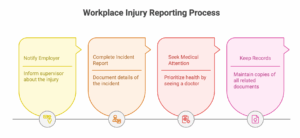
Here’s what you should do:
- Notify your employer immediately: Inform your supervisor or designated contact person about the injury or illness, including the circumstances, date, and location where it occurred.
- Complete an incident report: Your employer should provide you with a form to document the details of the incident. Be accurate and thorough. If your employer doesn’t have a form, create your own written record and keep a copy for yourself. Include the date, time, location, witnesses (if any), and a detailed description of what occurred.
- Seek immediate medical attention: Your health is the top priority. Go to a doctor or hospital as soon as possible.
- Keep records: Maintain copies of all reports, medical records, and correspondence related to your injury.
Seeking Medical Treatment and Documenting Your Injuries
Getting proper medical attention is crucial for your recovery and your workers’ comp claim. When seeking treatment:
- Inform your doctor: Tell your doctor that you are seeking treatment for a work-related injury. They need to document the connection between your job and your condition.
- Follow your doctor’s instructions: Adhere to the prescribed treatment plan, including taking medication, attending physiotherapy, and resting as recommended. Non-compliance can negatively impact your claim.
- Keep detailed records by tracking all medical appointments, treatments, medications, and expenses. Get copies of all medical records and bills.
Workman’s comp can cover a wide range of medical treatments, including:
- Consultations with specialists (e.g., orthopedists, neurologists)
- Diagnostic tests (e.g., X-rays, MRIs, CT scans)
- Prescription medications
- Physical therapy and rehabilitation
- Surgery
- Assistive devices (e.g., braces, crutches)
- Mental health treatment (if related to the injury)
Filing Your Workers’ Compensation Claim: Paperwork and Deadlines
After reporting the injury to your employer and seeking medical treatment, you’ll need to file a formal workers’ compensation claim with the relevant government agency. Your employer will likely also have to file a report.
- Obtain the necessary forms: You can usually find these forms on the website of your state’s workers’ compensation agency.
- Complete the forms accurately: Provide all required information, including details about the injury, your employer, and your medical treatment.
- Submit the forms on time: Pay close attention to the filing deadlines. Missing the deadline can result in the denial of your claim.
What to Do if Your Workers’ Compensation Claim is Denied
A denied claim isn’t the end of the road. You have the right to appeal. The appeals process varies by region, but generally involves these steps:
- Review the denial letter: Understand the reasons for the denial.
- File a formal appeal: Follow the specific procedures outlined by your regional workers’ comp agency. There are usually strict deadlines for filing an appeal.
- Gather evidence: Strengthen your case with additional medical records, witness statements, and expert opinions to support your claims.
- Attend hearings: You may be required to attend hearings where you can present your case and cross-examine witnesses.
- Seek legal assistance: Consider hiring a workers’ compensation lawyer to guide you through the appeals process. A lawyer can provide valuable assistance in gathering evidence, presenting your case, and negotiating with the insurance company.
Understanding Your Workers’ Compensation Benefits
Workers’ compensation benefits typically include:
- Medical benefits: Covering all reasonable and necessary medical expenses related to your injury.
- Temporary disability benefits: Replacing a portion of your lost wages while you are temporarily unable to work. The percentage varies by region.
- Permanent disability benefits: Providing compensation for permanent impairments resulting from your injury. This can be a lump-sum payment or ongoing benefits.
An important aspect to be aware of is the potential for an Independent Medical Examination (IME). The insurance company may request that you attend an IME with a doctor of their choice. While you are required to attend, please note that the insurer has employed this doctor. Be honest, but also ensure your doctor provides a thorough assessment of your condition.
Furthermore, pre-existing conditions can complicate claims. While workers’ compensation generally covers the aggravation of pre-existing conditions resulting from a work-related incident, proving the extent of the aggravation can be challenging. Comprehensive medical documentation is crucial in these situations.
Finally, prescription medications also bring some complexity. While reasonable and necessary prescriptions are covered, insurance companies may challenge the need for specific drugs, especially opioids. Ensure your doctor documents the medical necessity for any prescribed medication.
Returning to Work and Resolving Disputes in Workers’ Compensation
Returning to work is a common goal, but it should be done safely and in consultation with your doctor. If your doctor releases you to return to work with restrictions, your employer is obligated to make reasonable accommodations to allow you to perform your job safely.
Settlements are also possible in workers’ compensation cases. These settlements typically involve a lump-sum payment in exchange for waiving your right to future benefits. The calculation of settlements takes into account factors such as the severity of your injury, your lost wages, and your future medical expenses. Speaking with a solicitor can help ensure any settlement is fair.
Workers’ compensation is designed to protect you if you’re injured at work. By understanding your rights and following these steps, you can navigate the process effectively and secure the benefits you are entitled to.