
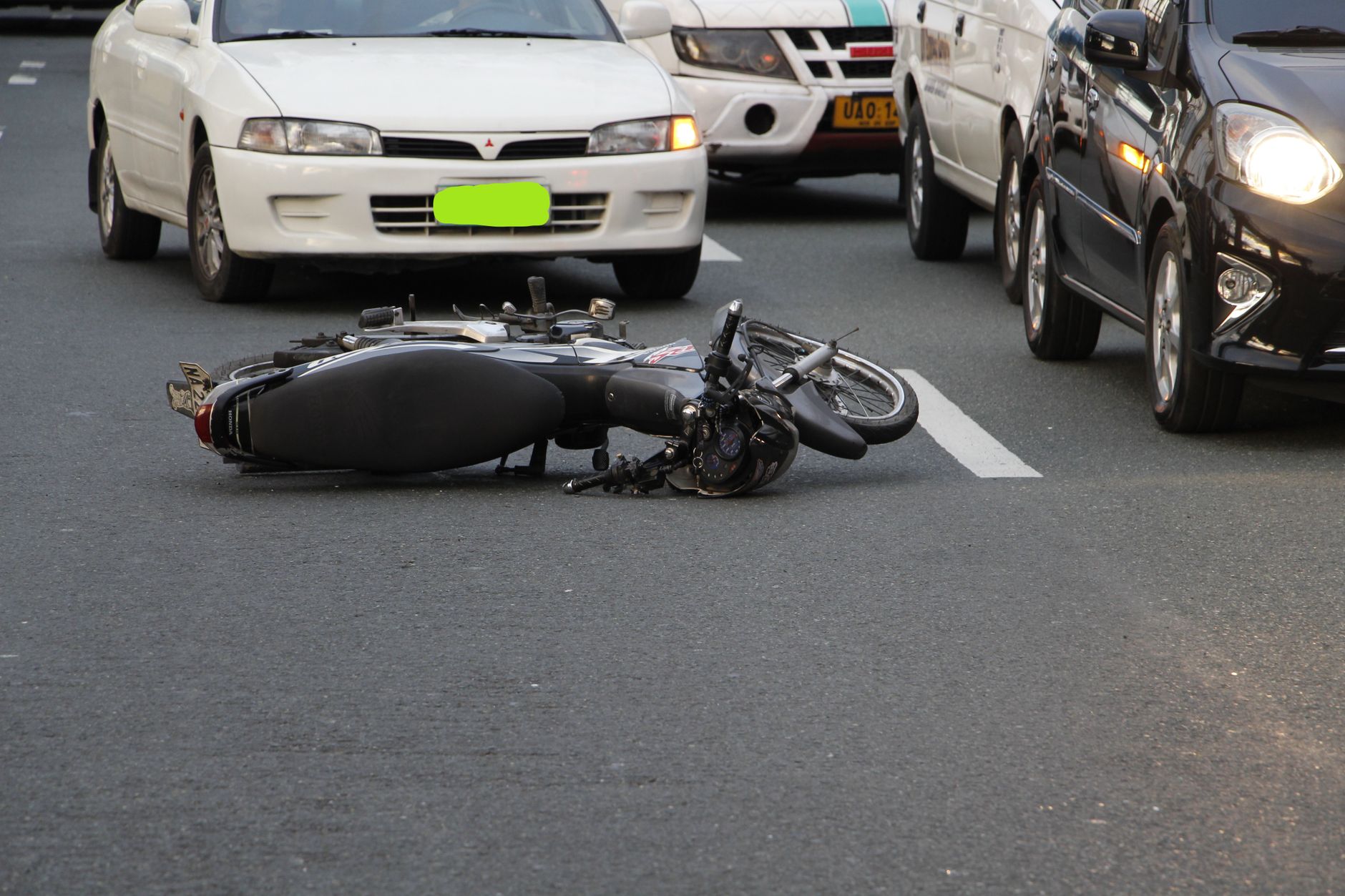
Hit and Run Accident Lawyer: Navigating Complex Claims for Victims
Representing victims of hit and run accidents requires a unique blend of investigative tenacity and deep empathy. As personal injury lawyers, we often meet clients at their most vulnerable. They are dealing with physical injuries, emotional trauma, and the profound frustration of knowing the at-fault party fled the scene. This article explores practical, human-centered strategies for managing these challenging cases, ensuring our clients receive the advocacy they deserve even when the responsible driver remains unidentified.
- Key Takeaways
- How Prevalent Are Hit and Run Accidents Today?
- What Should Clients Expect During the Initial Consultation?
- How Do Lawyers Investigate Hit and Run Accidents?
- Why Is Coordinating With Law Enforcement Crucial?
- How Does Uninsured Motorist Coverage Protect Victims?
- What Happens When a Hit and Run Involves a Workplace Injury?
- How Are Subsequent Medical Complications Handled?
- How Can Lawyers Overcome Common Insurance Defense Tactics?
- Why Is Humanizing the Client Important in Settlements and Trials?
- What Role Does Technology Play in Modern Injury Law?
- What Are the Ethical Considerations in Client Communication?
- Frequently Asked Questions
- What is the most critical first step for a lawyer handling a hit and run case?
- How do you explain uninsured motorist claims to a confused client?
- What if the insurance company denies the existence of a phantom vehicle?
- Can a victim recover punitive damages in a hit and run case?
- How long does a client have to report a hit and run to their insurance?
- Sources
Key Takeaways
- Hit and run claims demand immediate investigation to preserve fleeting evidence like surveillance video and witness memories.
- Victims often have financial recourse through their own uninsured motorist coverage when the at-fault driver cannot be found.
- Statistics indicate a hit and run crash happens approximately every 60 seconds in the United States, making this a highly prevalent legal issue.
- Lawyers must proactively manage client expectations, utilize modern dashcam and vehicle data technology, and humanize the victim to maximize settlement value.
How Prevalent Are Hit and Run Accidents Today?
Hit and run crashes are an escalating issue on our roadways. According to data published by the National Highway Traffic Safety Administration, these incidents account for a significant percentage of all traffic fatalities, particularly involving pedestrians. To better understand the context of these tragedies, we can look at research from the AAA Foundation for Traffic Safety, which highlights that a hit and run crash occurs every 60 seconds in the United States, resulting in over 2,000 fatalities annually. For injury lawyers, this means a steady influx of complex cases where traditional liability pathways are obscured.
What Should Clients Expect During the Initial Consultation?
When a hit and run victim walks into your office, they are often overwhelmed by a sense of injustice. The initial consultation must prioritize active listening and clear, jargon-free communication.
Many clients assume that if the driver is not found, they have no legal recourse. It is our job to educate them about their options without making unrealistic promises. Explain the process of identifying the driver, but immediately introduce the concept of first-party coverage as a viable safety net. Using plain language helps demystify the legal process and builds a foundation of trust.
How Do Lawyers Investigate Hit and Run Accidents?
Unlike standard collision cases where a police report neatly outlines the parties involved, hit and run claims require immediate, proactive investigation. Time is the most critical factor.
Start by canvassing the accident scene. Many intersections, commercial buildings, and even residential homes are equipped with surveillance cameras. Securing this footage before it is overwritten is paramount.
Next, focus on witness statements. Witnesses to a hit and run are often highly motivated to help, but their memories fade quickly. Reach out to them within days of the incident.
Additionally, law enforcement agencies are often under-resourced and may not prioritize property damage or non-fatal hit and run cases. As advocates, we must supplement the official investigation. This might involve hiring private investigators, utilizing skip-tracing databases, or analyzing debris left at the scene, such as paint transfers or broken vehicle parts, to identify the make and model of the fleeing vehicle.
Why Is Coordinating With Law Enforcement Crucial?
Building a collaborative relationship with local law enforcement is highly beneficial. While police departments handle the criminal aspect of leaving the scene of an accident, their findings directly impact the civil case. Request the complete accident report, including officer notes, diagrams, and photographs. In some instances, officers may share preliminary leads about the suspect vehicle. Maintaining respectful, persistent communication with the investigating detective can yield breakthroughs in identifying the at-fault driver, thereby opening up third-party liability channels and potentially accessing higher insurance limits.
How Does Uninsured Motorist Coverage Protect Victims?
If the at-fault driver cannot be identified, the case pivots from a third-party liability claim to a first-party uninsured motorist claim. This transition can be confusing for clients who do not understand why they must seek compensation from their own insurance company.
Explain uninsured motorist coverage as a protective shield the client proactively purchased for exactly this scenario. However, as practitioners know, dealing with a client’s own insurer can be highly adversarial. The Insurance Information Institute provides valuable data showing that approximately 12.6 percent of motorists on the road are uninsured, reinforcing why carrying and utilizing this coverage is essential.
When presenting an uninsured motorist claim, document the client’s injuries and the circumstances of the crash just as rigorously as you would for a third-party claim. Insurance adjusters will scrutinize the evidence to ensure the crash was actually caused by a phantom vehicle and not the client’s own negligence. Require your clients to file a police report immediately, as most insurance policies have strict reporting windows for hit and run uninsured motorist claims.
What Happens When a Hit and Run Involves a Workplace Injury?
Because personal injury law often overlaps with other practice areas, lawyers must be prepared to identify collateral claims. Consider a scenario where a client is involved in a hit and run accident while driving a company vehicle or running an errand for their employer. This introduces a complex intersection between workers compensation and personal injury law.
In these situations, the client is generally entitled to workers compensation benefits for their medical bills and lost wages, regardless of fault. However, workers compensation does not cover pain and suffering. To maximize the recovery, the injury lawyer must simultaneously pursue an uninsured motorist claim. Navigating the subrogation rights of the workers compensation carrier requires careful strategic planning to ensure the client retains the maximum possible share of the settlement.
How Are Subsequent Medical Complications Handled?
Another critical aspect of injury law is monitoring the quality of care the client receives. In severe hit and run accidents, victims may require emergency surgeries or prolonged hospital stays. While rare, instances of medical negligence during this treatment phase can severely compound the injuries. If a client suffers further harm due to a surgical error or a hospital infection, the legal strategy must adapt to address these new damages. The original hit and run driver, or the uninsured motorist policy, may still be liable for the foreseeable subsequent medical complications, but parsing out the liability requires a deep understanding of proximate cause.
How Can Lawyers Overcome Common Insurance Defense Tactics?
Insurance companies often deploy predictable strategies to minimize payouts in hit and run cases. A common defense is the assertion that there was no phantom vehicle, suggesting instead that the plaintiff simply lost control of their car.
To combat this, physical evidence is your best asset. Independent witness testimony, tire skid marks, and physical paint transfer on the victim’s vehicle corroborate the presence of another car.
Another tactic is questioning the severity of the injuries, especially in soft tissue cases. This is where medical documentation is crucial. Ensure your client is receiving consistent, appropriate medical care. Gaps in treatment provide adjusters with an easy excuse to devalue the claim.
Why Is Humanizing the Client Important in Settlements and Trials?
Whether negotiating with an adjuster or presenting the case to a jury, humanizing the victim is essential. A hit and run is not just a car accident; it is an abandonment.
The psychological impact of being left injured on the side of the road adds a layer of emotional distress that should be factored into non-economic damage calculations.
Draft demand letters that tell the client’s story. Instead of merely listing medical codes and billing totals, describe how the injury has disrupted their daily life, their career, and their family dynamics. The American Bar Association frequently emphasizes the power of narrative in personal injury advocacy. A compelling narrative can transform a file of medical records into a relatable human experience, prompting more reasonable settlement offers.
What Role Does Technology Play in Modern Injury Law?
Modern personal injury practice relies heavily on technology to build robust cases. In hit and run scenarios, technology offers new avenues for discovery.
Dashcams are becoming increasingly popular and often capture license plate numbers or the exact sequence of events leading to the crash. Furthermore, modern vehicles are equipped with event data recorders. While the fleeing vehicle’s data is inaccessible, your client’s vehicle data can prove their speed, braking response, and the angle of impact, which can help reconstruct the crash and validate their version of events.
What Are the Ethical Considerations in Client Communication?
Maintaining consistent communication is an ethical obligation and a practical necessity. Hit and run cases can stretch on for months or years, especially if there is an ongoing criminal investigation. Clients left in the dark often become anxious and dissatisfied.
Implement a regular communication schedule. Even if the update is simply that there is no new information, reaching out demonstrates diligence and care. A proactive approach prevents misunderstandings and aligns with the best practices of legal client service.
Frequently Asked Questions
What is the most critical first step for a lawyer handling a hit and run case?
The most critical first step is securing evidence before it disappears. This includes obtaining surveillance footage from nearby businesses, interviewing witnesses while their memories are fresh, and ensuring the client has filed a timely police report to satisfy insurance policy requirements.
How do you explain uninsured motorist claims to a confused client?
Use plain language to describe uninsured motorist coverage as a safety net they purchased to protect themselves against irresponsible drivers. Emphasize that using this coverage is exactly what it is designed for, and reassure them that you will manage the adversarial aspects of dealing with their own insurer.
What if the insurance company denies the existence of a phantom vehicle?
If an insurer disputes the involvement of a hit and run driver, you must rely on independent evidence. Paint transfers, vehicle debris left at the scene, dashcam footage, and sworn statements from unbiased bystanders are highly effective in proving a phantom vehicle caused the collision.
Can a victim recover punitive damages in a hit and run case?
If the fleeing driver is eventually identified, punitive damages may be available depending on the jurisdiction. Fleeing the scene of an injury accident is often viewed as egregious conduct. However, punitive damages are generally not recoverable in a first-party uninsured motorist claim.
How long does a client have to report a hit and run to their insurance?
Reporting windows vary drastically by policy and jurisdiction. Many insurance contracts require hit and run incidents to be reported to the police within twenty-four hours and to the insurer within thirty days. Lawyers must review the specific policy language immediately to prevent coverage denials.