
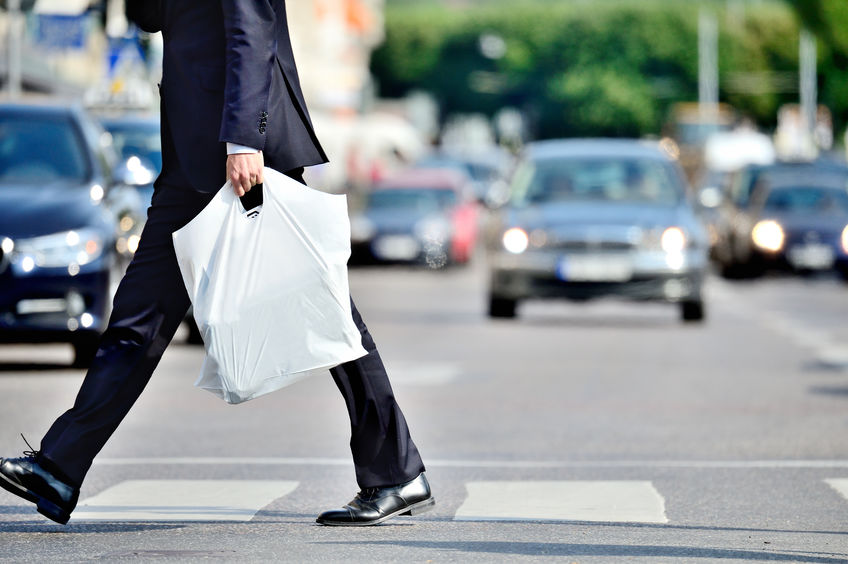
Understanding pedestrian right-of-way is crucial for fostering safer communities. It’s about more than just laws; it’s about a shared responsibility to protect the most vulnerable users of our streets. This article explores the urgent need for improved pedestrian safety, delves into the intricacies of traffic safety laws, examines successful safety initiatives, and discusses the psychological impact of accidents.
- The Urgent Need for Pedestrian Safety: A National Crisis
- Understanding Pedestrian Right-of-Way Laws and Yielding Responsibilities
- Beyond Raleigh: Successful Pedestrian Safety Infrastructure Projects and Data-Driven Results
- Smart Crosswalks and Automated Enforcement: The Role of Technology in Pedestrian Safety
- Pedestrian Safety Disparities: Addressing Inequities Across Demographics and Socioeconomic Groups
- Navigating Pedestrian Injury Claims: Insurance Processes and Maximizing Compensation
- The Psychological Impact of Pedestrian Accidents: Support and Recovery Resources
The Urgent Need for Pedestrian Safety: A National Crisis
Pedestrian fatalities are a serious problem. Data from the Governors Highway Safety Association (GHSA) show that pedestrian deaths have been on the rise in recent years, accounting for a significant portion of all traffic fatalities. This increase highlights the urgent need for comprehensive strategies to improve pedestrian safety. It’s not just about numbers; it’s about the lives and well-being of people walking to work, school, or simply enjoying their neighborhoods. The National Highway Traffic Safety Administration (NHTSA) also provides detailed data on these trends, reinforcing the need for action.
Understanding Pedestrian Right-of-Way Laws and Yielding Responsibilities
Most jurisdictions have specific crosswalk laws outlining when drivers must yield to pedestrians. Generally, pedestrians have the right-of-way in marked crosswalks and sometimes in unmarked crosswalks at intersections. However, pedestrians also have a responsibility to exercise caution and follow traffic signals where available. It’s a two-way street, so to speak. Drivers must be vigilant and aware of pedestrians, especially in areas with high foot traffic, like near schools, parks, and shopping centers. Understanding these crosswalk laws is paramount for both drivers and pedestrians.
Beyond Raleigh: Successful Pedestrian Safety Infrastructure Projects and Data-Driven Results
While many cities are grappling with pedestrian safety challenges, some have implemented successful infrastructure projects that serve as models. For example, New York City’s Vision Zero initiative, which included pedestrian safety improvements like pedestrian islands, leading pedestrian intervals (LPIs), and increased enforcement, has shown a significant reduction in pedestrian fatalities. Seattle has also seen positive results from its “Be Super Safe” campaign, coupled with infrastructure changes like curb extensions and high-visibility crosswalks. Data collected by these cities show a clear correlation between these improvements and a decrease in pedestrian accidents. The Pedestrian and Bicycle Information Center (PBIC) offers numerous case studies on effective strategies.
Smart Crosswalks and Automated Enforcement: The Role of Technology in Pedestrian Safety
Technology offers promising solutions for enhancing pedestrian safety. Smart crosswalks, equipped with sensors and flashing lights that activate when a pedestrian is detected, can significantly increase driver awareness. Automated enforcement, such as cameras that ticket drivers who fail to yield to pedestrians in crosswalks, can also deter dangerous behavior. These technologies, combined with traditional infrastructure improvements, can create a safer environment for pedestrians.
Pedestrian Safety Disparities: Addressing Inequities Across Demographics and Socioeconomic Groups
Pedestrian fatalities disproportionately affect certain demographic and socioeconomic groups. Studies have shown that older adults, children, and people of color are at a higher risk of being involved in pedestrian accidents. This is often due to factors such as neighborhood design, access to safe crossing infrastructure, and socioeconomic conditions that influence transportation choices. Addressing these disparities requires targeted interventions, such as prioritizing safety improvements in underserved communities and implementing educational programs that reach vulnerable populations.
Navigating Pedestrian Injury Claims: Insurance Processes and Maximizing Compensation
If you’ve been injured as a pedestrian, understanding the insurance claim process is essential. Typically, you’ll file a claim against the driver’s insurance policy. It’s important to gather evidence, including police reports, medical records, and witness statements. Insurance companies may try to minimize payouts, so it’s often advisable to seek legal counsel to protect your rights and maximize your compensation. Document all damages, including medical expenses, lost wages, and pain and suffering.
The Psychological Impact of Pedestrian Accidents: Support and Recovery Resources
The trauma of a pedestrian accident can have a lasting psychological impact. Many victims experience post-traumatic stress disorder (PTSD), anxiety, and depression. It’s important to seek professional help from therapists or counselors who specialize in trauma recovery. Support groups can also provide a valuable source of emotional support and connection with others who have experienced similar situations. Remember, recovery is a process, and seeking help is a sign of strength.
FAQ: What does ‘right-of-way’ mean for pedestrians in a crosswalk?
Right-of-way means that drivers must yield to pedestrians in marked crosswalks and, in some cases, unmarked crosswalks at intersections. This means drivers must slow down, stop if necessary, and allow pedestrians to safely cross the street. However, pedestrians also have a responsibility to be aware of their surroundings and follow traffic signals when available.
FAQ: What is comparative negligence, and how does it affect a pedestrian accident claim?
Comparative negligence is a legal principle that assesses the degree to which each party contributed to an accident. If a pedestrian is found to be partially at fault for an accident, their compensation may be reduced by their percentage of fault. For example, if a pedestrian is found to be 20% at fault for crossing against a traffic signal, their compensation may be reduced by 20%.
FAQ: What types of damages can I recover in a pedestrian injury claim?
You can recover various types of damages in a pedestrian injury claim, including medical expenses (past and future), lost wages (past and future), pain and suffering, emotional distress, and property damage (e.g., damaged clothing or personal belongings). In some cases, punitive damages may also be awarded if the driver’s conduct was particularly egregious.
FAQ: How can smart crosswalks improve pedestrian safety?
Smart crosswalks use technology to enhance visibility and awareness. They often include sensors that detect pedestrians waiting to cross and activate flashing lights or other visual cues to alert drivers. This increased visibility can significantly reduce the risk of pedestrian accidents, particularly at night or in low-light conditions.
FAQ: Where can I find support if I’ve been involved in a pedestrian accident?
If you’ve been involved in a pedestrian accident, several resources can provide support. These include therapists and counselors specializing in trauma recovery, support groups for accident victims, and legal professionals who can help you navigate the insurance claim process. Organizations like the National Center for Victims of Crime can also provide valuable resources and information.
Prioritizing pedestrian safety is a collective effort that requires the commitment of drivers, pedestrians, policymakers, and community members. By understanding pedestrian right-of-way laws, implementing effective safety measures, and addressing inequities, we can create safer and more just streets for everyone. Don’t wait for another accident to happen. Take action today to advocate for pedestrian safety in your community and ensure that all pedestrians can walk safely without fear.